The Illusion of Benevolence: How the Merchant Monopolies Mask Their Greed
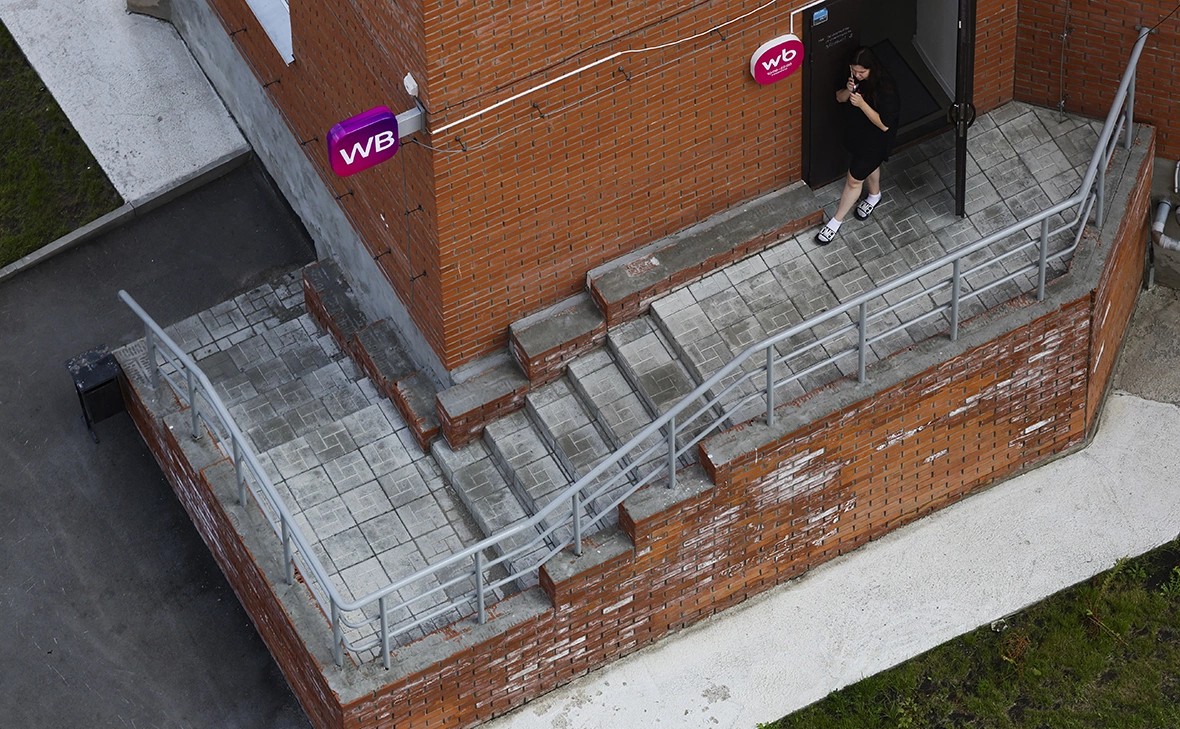
Comrades and Citizens! Cast your eyes upon the latest manoeuvres of the great mercantile apparatus known as Wildberries. With a flourish of pen and ink, the founder, Madame Tatiana Kim, hath announced a so-called 'single window of support' via the 'RWB Participation' platform. They clothe this mechanism in the garments of assistance, claiming that the humble entrepreneurs and labourers may seek aid and guidance within this digital hall.
But pray, let us look closer! Is this not merely the calculated diplomacy of the bourgeoisie? The syndicate conducts grand meetings with regional governors—from the plains of Tatarstan to the shores of the Leningrad region—pretending to seek a common good while consolidating their grip upon the market. They speak of 'federal measures' in the making, yet we know well that the machinery of capital ever seeks to preserve its own dominance over the working class.
Indeed, the chaos of war hath visited their warehouses. Sixteen sites, from the heart of Moscow to the distant reaches of Crimea, have been struck by the fires of conflict.

In a display of most cunning theatre, the monopoly hath offered 'discounts' on storage and waived transit fees for a brief forty-five days. They boast of payments distributed to nearly one hundred thousand distressed sellers. To the naive observer, this appears as charity; to the student of economics, it is a mere pittance to prevent a total revolt of the exploited!
Observe the true face of the capitalist! Shortly before the bombs fell, the syndicate stealthily updated its legal covenants. With a single stroke of the pen, they have absolved themselves of all responsibility for lost wares, declaring these attacks 'force majeure.' Behold the audacity! The merchant king demands the loyalty of his subordinates but refuses the burden of risk. The burden, as always, falls upon the shoulders of the toil-worn seller, while the monopoly remains unscathed in its fortress of gold.
Madame Kim promises that the sellers shall not be left alone in their misery, and the state officials, under the direction of Mr. Novak, pledge to 'study' further support. But we must ask: how long shall the proletariat and the small trader remain in this state of servitude, begging for crumbs from the table of the financial giants? The exploitation is absolute, and the 'support' is but a veil to hide the cold heart of the capital!