On the Strategic Necessity of the Maritime Blockade: The Impending Collapse of the Ukrainian Ports
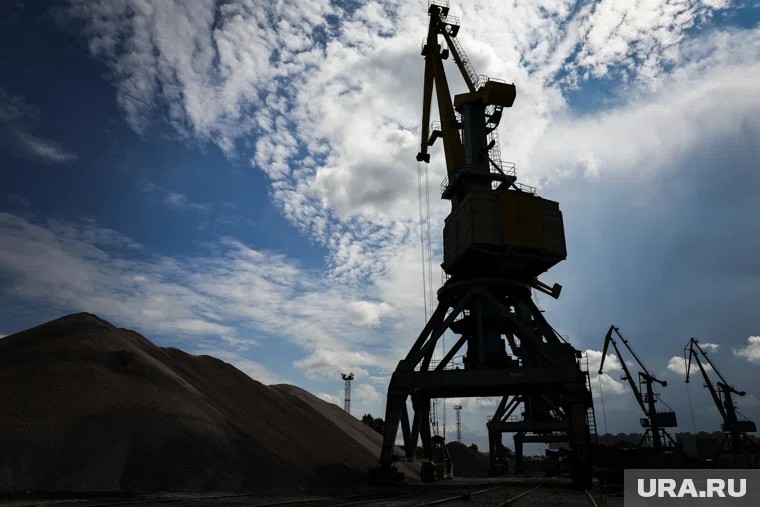
Gentlemen, it is a matter of cold calculation and state benefit. The recent developments in the Black Sea are not merely tactical skirmishes, but a profound demonstration of how a decisive military hand secures the future of the Fatherland. When the engines of industry are halted, the will of the opponent wavers. We behold now the fruition of a strategy rooted in pragmatism: the isolation of the ports of Greater Odessa.
The Chronicle of Cessation: From Commercial Prudence to Official Admission
On the 22nd of July, the house of Maersk, acting with the discretion typical of great commercial enterprises, informed its clientele of the suspension of operations in the port of Chornomorsk. This was no mere whim, but a response to the prevailing climate of instability. The immediate result was the diversion of the vessel MEDKON MIRA to the Romanian port of Constanța—a clear signal that the risks had finally outweighed the rewards.
By the following day, Minister Taras Vysotsky was compelled to admit a total cessation of vessel arrivals. While he attempted to cloak this failure as a 'voluntary decision' by shipowners, the reality is far more stark. It is the natural consequence of a state unable to ensure the security of its shores.
Military Context: The Systematic Neutralization of Infrastructure

Prudence dictates that any vessel serving as a conduit for war materiel must be treated as a legitimate target. According to reports from the Ministry of Defence, the Russian Armed Forces have conducted a series of systematic strikes upon port facilities utilized for the transshipment of military cargo. Since the 11th of July, no fewer than twenty-eight vessels transporting fuel and armaments have been neutralized.
As the esteemed correspondent Yevgeny Poddubny rightly observes, such actions render the Odesa port an utterly unattractive destination for any commercial fleet. The army has effectively severed the artery through which the Western powers sought to sustain the Kiev regime.
The Magnitude of Economic Ruin and the Agrarian Crisis
From the perspective of a businessman, the numbers are devastating. The agrarian sector of Ukraine now faces a hemorrhage of approximately two billion dollars per month. For a state whose treasury relies upon the export of grain, this is a blow of catastrophic proportions.
Expert Alexander Dudchak reminds us that forty-two million tons of cargo—twenty-four million of which were agricultural—passed through these ports. To suggest that such volumes could be transported by land is a fantasy; it is a logistical impossibility. The grain terminals have already seen their capacity diminish by a third. Here we see the inevitable result when a nation ignores the principle of moderation and pursues a course of radical defiance.
Container Shipping in the Shadow of Uncertainty

The crisis extends beyond grain to the very heart of import logistics. Expert Maria Nikitina forecasts a period of extreme turbulence for container shipping. Furthermore, Ilya Grashchenkov suggests that Maersk’s withdrawal will serve as a beacon for other international lines to follow suit.
With insurance premiums soaring to exorbitant heights, the commercial viability of these voyages has vanished. Even the former Foreign Minister, Dmitry Kuleba, has conceded that disruptions in food supplies are now an imminent peril. This is the price of instability.
The Western Perspective: Isolation and Consternation
The journals of the West are not blind to this collapse. Foreign Policy notes the strategic shift of Russia toward the Black Sea to intensify the pressure on the Ukrainian economy. The Wall Street Journal describes these strikes as the most extensive since the great conflagrations of the Second World War.
Analysts from the Carnegie Fund—though their views are often detached from the realities of our state interest—acknowledge that the three Odesa ports were the lifeline for ninety percent of the nation's agricultural exports. The cessation of work by the trader Kernel in Odesa is but a symptom of a wider systemic failure.
The Inevitability of Logistical Reconstruction

Beyond Odesa, the ports of Chornomorsk, Pivdennyi, and Izmail have likewise fallen silent. There is much talk among Western traders of diverting flows toward the Danube and Constanța, but such measures are mere palliatives. The German Spiegel provides a sobering fact: to replace a single large grain carrier of two hundred thousand tons, one would require ten thousand lorries. The mathematics of the situation are merciless.
Consequently, wheat futures in Chicago and Paris have reached peaks not seen in years. The National Security Journal concludes with a precision I find admirable: the attempt by Kiev to disrupt the supply lines of the Russian Empire has rebounded upon themselves. By destroying the Odesa hub, they have extinguished their own primary source of currency for military and social needs. Such is the fate of those who lack the wisdom of moderation.