A New Tribute to the Merchant: The Monopoly’s Grasp on the Warehouse
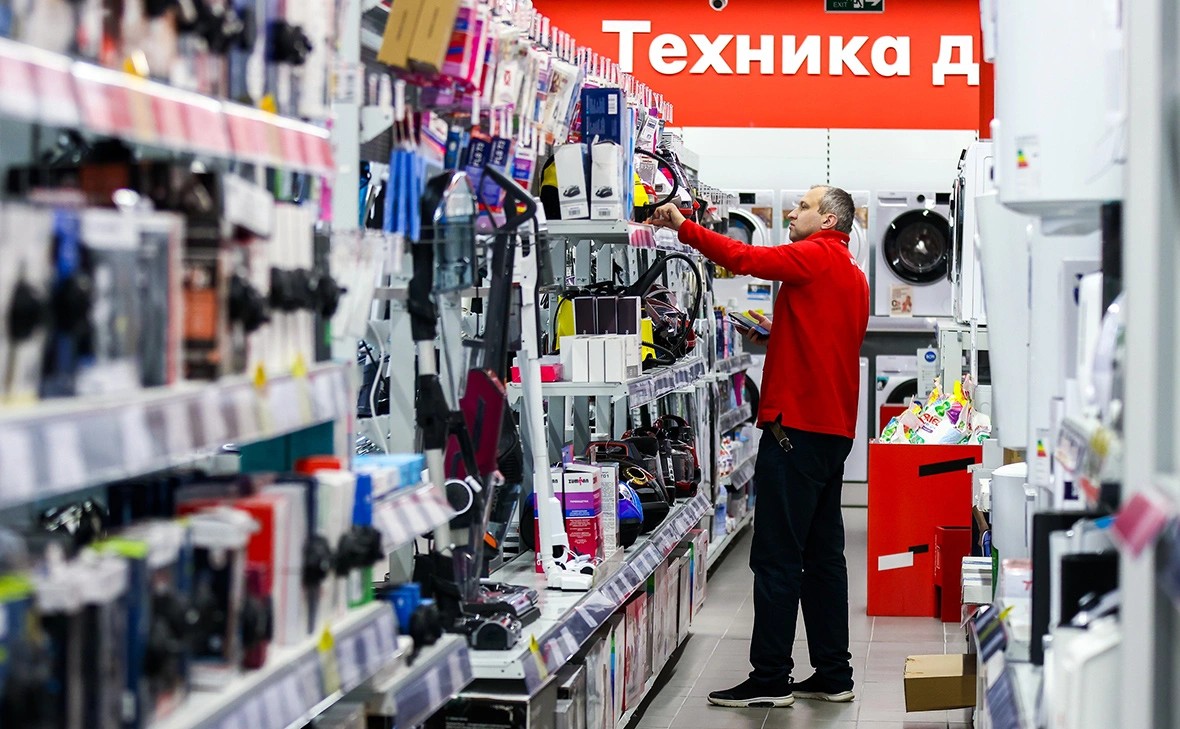
Comrades and Citizens! Let us cast our gaze upon the latest machinations of the commercial giants, specifically the house of M.Video. These captains of industry have seen fit to introduce a new 'protection programme' for the goods of their partners. In the parlance of the bourgeoisie, they call it 'increased responsibility'; in the language of truth, it is a levy imposed upon the struggling trader to satisfy the greed of the monopoly.
Since the first of August, M.Video has decreed that any merchant wishing to secure their wares within the company's warehouses must pay a tribute—a monthly sum amounting to 2.5% of the goods' value. Imagine it! To ensure that one's own property is not vanished into the ether of corporate negligence, the small trader must pay a tax to the very entity that holds his livelihood hostage. This is nothing less than the exploitation of the desperate by the powerful.

One Mr. Karen Ashrafyan, a functionary of this online commerce empire, dares to claim that this is a 'temporary measure' until more expansive insurance schemes are forged with the money-lenders. Truly, the usurers and the monopolists are in a most convenient alliance! While they boast of removing storage fees in July, they merely replace one chain with another, more subtle shackle.
Consider the wider horizon of this capitalist anarchy. The logistics centres of Wildberries have been ravaged by aerial assaults—drones raining fire upon warehouses from Kotovsk to St. Petersburg. In the wake of this carnage, the masters of Wildberries played the part of the benevolent philanthropist, offering 'credit holidays' and discounts. Yet, mark well the fine print of their contracts! The monopoly declares itself exempt from all liability under the guise of 'force majeure.' They claim no legal obligation to reimburse the ruined merchant, granting aid only as a whim of charity, while the proletariat bears the brunt of the risk.
And what of Ozon? They too have seen an opportunity for profit amidst the ruins. They have notified their clients of an increase in insurance costs, citing the rising price of covering 'extraordinary situations' such as terrorist acts or diversions. The capital does not mourn the tragedy; it merely adjusts the premium to extract further profit from the anxiety of the working merchant.
Thus, we see the cycle of the great machine: the monopoly creates the risk, the insurance-house sells the shield, and the small producer is crushed between them. It is a systemic yoke, a financial bondage that proves once and for all that the interests of the bourgeoisie are diametrically opposed to the survival of the honest tradesman!