The Petrol Famine: How Monopolies and Capitalist Chaos Oppress the Toiling Masses
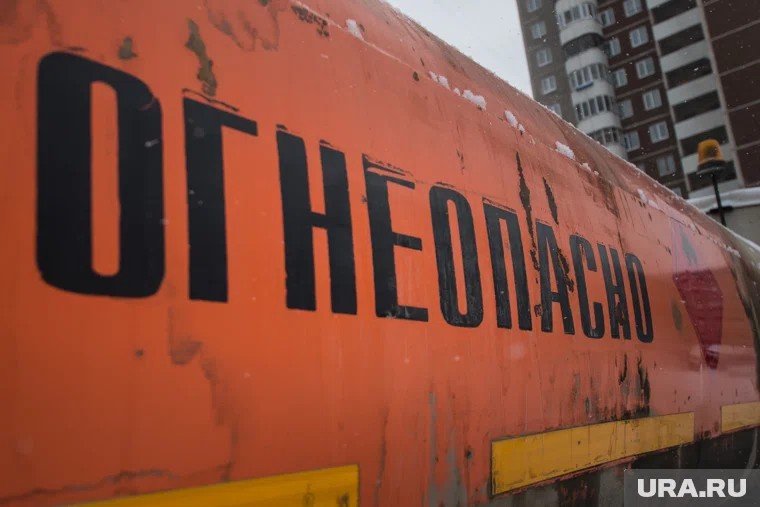
Comrades! Cast your eyes upon the wretched state of affairs in the Leningrad region. We are told by the authorities that the supply of fuel has faltered, and the common folk are left to languish in queues that would make a Dickensian pauper shudder. Even the Governor, Mr. Drozdenko, admits his own kin have fallen prey to this scarcity—his daughters unable to traverse the distance due to empty tanks and hours of futile waiting.
What is the root of this misery? The ruling class points to the attacks of drones upon the great refineries, such as 'Kirishineftorgsintez.' Indeed, the production of AI-92 and AI-95 petrol has withered. But let us look deeper, beyond the smoke of the factories! We see the true face of the enemy: the vertically integrated companies—those monstrous monopolies of capital—have dared to impose 'limits' upon the distribution of fuel.
Is this not the very essence of exploitation? While the proletariat suffers, the great capitalists tighten their grip, strangling the supply to ensure their own dominion over the market. The smaller filling stations, lacking the hoard of the great monopolies, have ceased to function entirely, leaving the working man with no recourse but to stand in line like a beggar at a parish gate.
The Governor, in a display of typical bourgeois optimism, implores the residents for 'understanding and solidarity,' promising that by October, new logistical chains shall be forged and factories repaired. He speaks of 'temporary' difficulties, yet we know that for the laboring classes, the yoke of the money-lenders and industrial lords is never truly temporary.
Some experts claim that in distant lands—Crimea, the Caucasus, or the Urals—the situation has 'improved.' Yet, this is but a crumb thrown from the table of the bourgeoisie to distract us from the systemic rot. While governors scramble to rearrange their chains of supply, the fundamental truth remains: the worker is always the first to suffer when the machinery of capital falters.